The Role of Endoscopy in Diagnosing Digestive Disorders
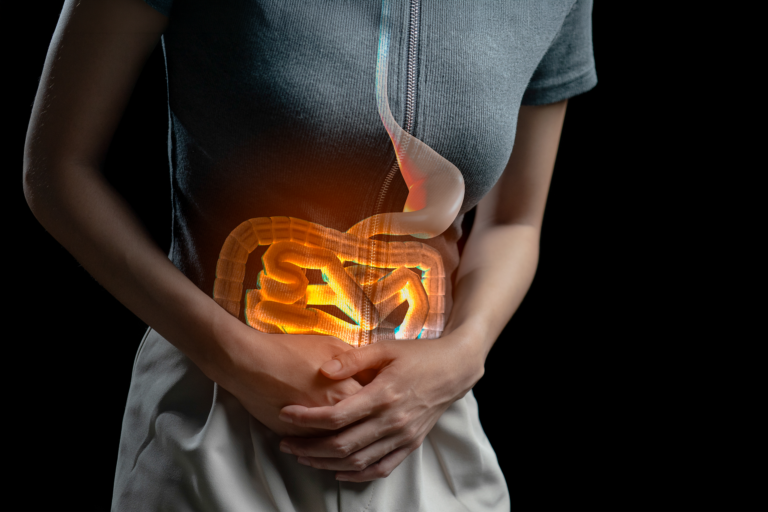
Image by: Freepik
The Beginning: When Symptoms Won’t Go Away
It usually starts with something small, maybe a nagging stomach pain, persistent acidity after meals, or bloating that never seems to settle. You might try antacids, dietary changes, or home remedies. For a while, things feel manageable. But when the discomfort doesn’t go away and begins to affect daily life, doctors often suggest looking deeper, quite literally. That’s when endoscopy becomes a crucial next step.
What Exactly is an Endoscopy?
Endoscopy is a medical procedure that allows doctors to view the inside of your digestive tract using a thin, flexible tube fitted with a camera and light. Think of it as a window into your stomach, esophagus, or colon, places regular scans and blood tests can’t fully reveal.
There are different types of endoscopy, depending on which part of the digestive system needs examination:
- Upper GI Endoscopy (Gastroscopy): To examine the esophagus, stomach, and the first part of the small intestine.
- Colonoscopy: To check the colon (large intestine) for polyps, bleeding, or inflammation.
- Sigmoidoscopy: To look at the lower part of the colon.
It’s a minimally invasive procedure that often gives doctors the clearest and most accurate picture of what’s happening inside.
Why Endoscopy Matters in Diagnosis
Unlike X-rays or ultrasounds, endoscopy provides real-time visuals. It helps doctors see conditions such as:
- Gastritis or Inflammation of the stomach lining.
- Peptic Ulcers are caused by acid damage.
- GERD (Acid Reflux) and its complications.
- Celiac Disease or Crohn’s Disease, which affects nutrient absorption.
- Polyps and Early Signs of Cancer in the Colon.
By detecting these issues early, endoscopy can prevent serious complications. For example, finding and removing polyps during a colonoscopy can stop them from becoming cancerous later.
A Patient’s Perspective: The Fear vs. Reality
The word “endoscopy” can sound intimidating. Many patients worry: Will it hurt? Is it safe? What if they find something serious?
The reality is far less frightening. Most endoscopies are performed under mild sedation, meaning you’re relaxed and comfortable throughout. The procedure is quick, often under 30 minutes, and patients rarely feel pain. For many, the relief of finally understanding what’s causing their symptoms outweighs the initial fear.
Beyond Diagnosis: The Therapeutic Side of Endoscopy
Endoscopy is not just about finding problems; it can also fix them.
- Doctors can remove polyps before they turn cancerous.
- They can stop internal bleeding using special instruments.
- In cases of narrowing (strictures), they can widen the passage to ease digestion.
This dual role of diagnosis and treatment makes endoscopy a powerful tool in digestive healthcare.
When Should You Consider Endoscopy?
Not every stomach ache needs an endoscopy. But certain symptoms should never be ignored:
- Unexplained weight loss.
- Persistent abdominal pain or acidity.
- Blood in stool or black, tarry stools.
- Long-term constipation or diarrhoea.
- Difficulty swallowing or a constant lump-in-the-throat feeling.
Delaying the procedure can sometimes mean missing an early warning sign. On the other hand, undergoing endoscopy at the right time can provide clarity and help doctors start the right treatment without delay.
Life After Endoscopy: Clarity and Relief
For many patients, an endoscopy marks a turning point. The uncertainty and guesswork give way to clear answers. Whether it confirms a mild issue like gastritis or detects something more serious, the procedure guides the next steps in treatment. Patients often feel a sense of relief knowing what’s going on inside their gut, and that they’re no longer in the dark.
Closing Thoughts: Listening to Your Gut
Digestive symptoms are easy to brush aside, but your gut often sends signals when something isn’t right. Endoscopy is one of the safest and most effective ways to understand these signals. It’s not something to fear; it’s a step toward clarity, treatment, and better health.
If your symptoms aren’t improving, consider speaking to a gastroenterologist. Sometimes, the best way to find peace of mind is to look inside.