Probiotics and Digestive Health: Fact vs. Fiction
Image by: Freepik
The Hype Around Probiotics
Walk into any supermarket or scroll through health ads online, and you’ll notice probiotics everywhere, yogurts promising a “happy gut,” colorful probiotic drinks, and supplements claiming to cure all your digestive problems. The word “probiotic” has become a buzzword, and many people believe it’s the ultimate solution for every stomach issue.
But is all the hype justified? While probiotics certainly play an important role in digestive health, there are facts you can trust, and some myths worth debunking.
What Exactly Are Probiotics?
Probiotics are live microorganisms, mostly good bacteria, that help maintain a healthy balance in your gut. Think of your digestive system as a community where billions of bacteria live. Some are harmful, but many are beneficial, and probiotics help keep this balance in check.
You can find probiotics in:
- Fermented foods like yogurt, buttermilk, pickles, idli, dosa batter, kanji, and fermented rice dishes (such as pakhala or pazhaya sadam).
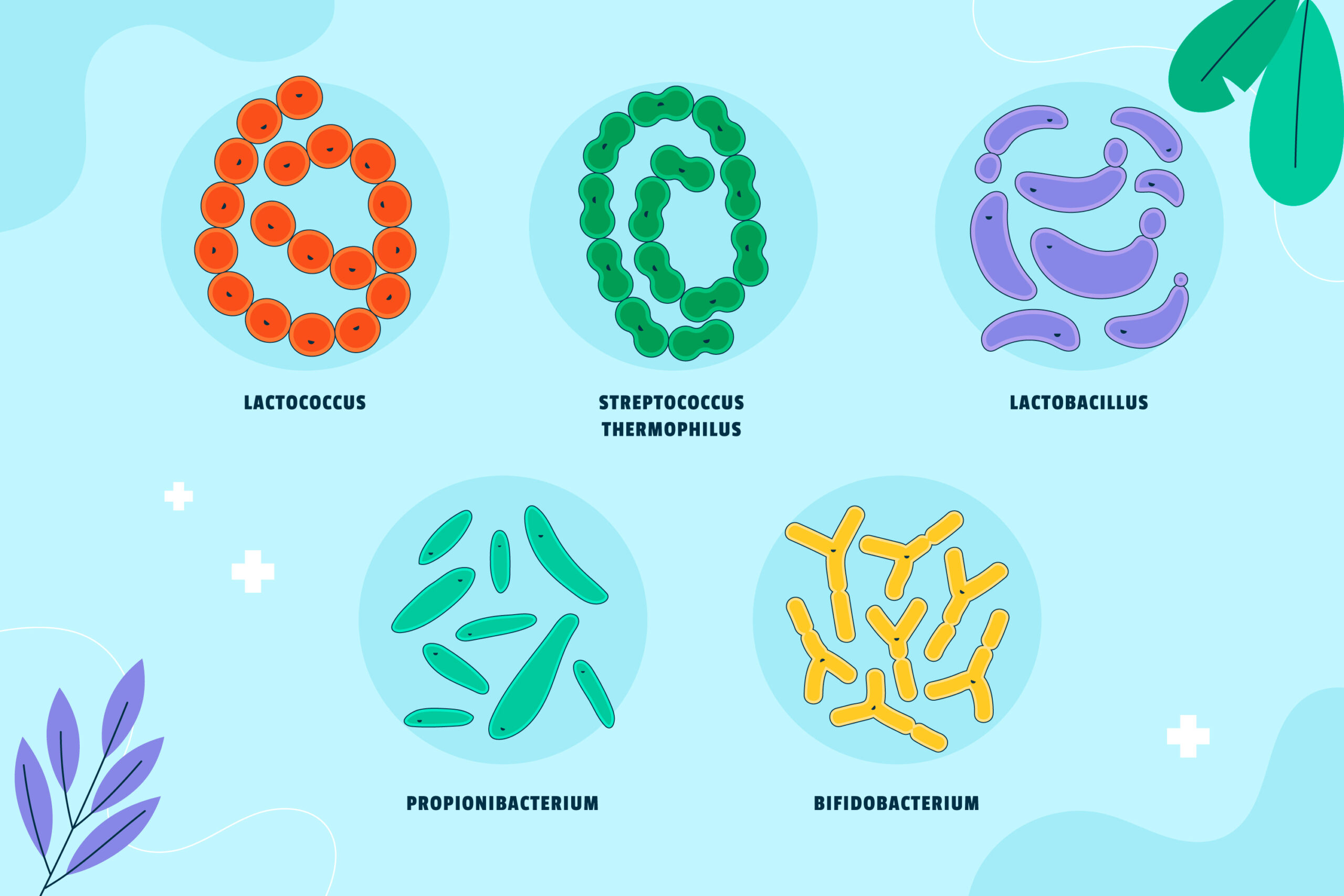
- Supplements available in capsule or powder form, often containing strains like Lactobacillus or Bifidobacterium.
When consumed in the right amounts, probiotics support digestion and contribute to overall gut health.
The Science-Backed Benefits (Fact)
Probiotics are not just a wellness trend; there is real science backing some of their benefits. Studies suggest that probiotics may:
- Restore gut balance after antibiotics – Antibiotics kill both harmful and beneficial bacteria, and probiotics can help replenish the “good” ones.
- Manage certain types of diarrhea – Especially useful in reducing antibiotic-associated diarrhea or infections like rotavirus.
- Support lactose digestion – People with lactose intolerance may tolerate dairy better with probiotics.
- Ease symptoms of Irritable Bowel Syndrome (IBS) – Certain strains have been shown to reduce bloating, abdominal discomfort, and irregular bowel habits.
- Boost immunity – A healthy gut contributes to a stronger immune system.
The Misconceptions (Fiction)
While probiotics do have benefits, they’re often misunderstood. Here are some common myths:
- Myth 1: Probiotics cure all digestive problems.
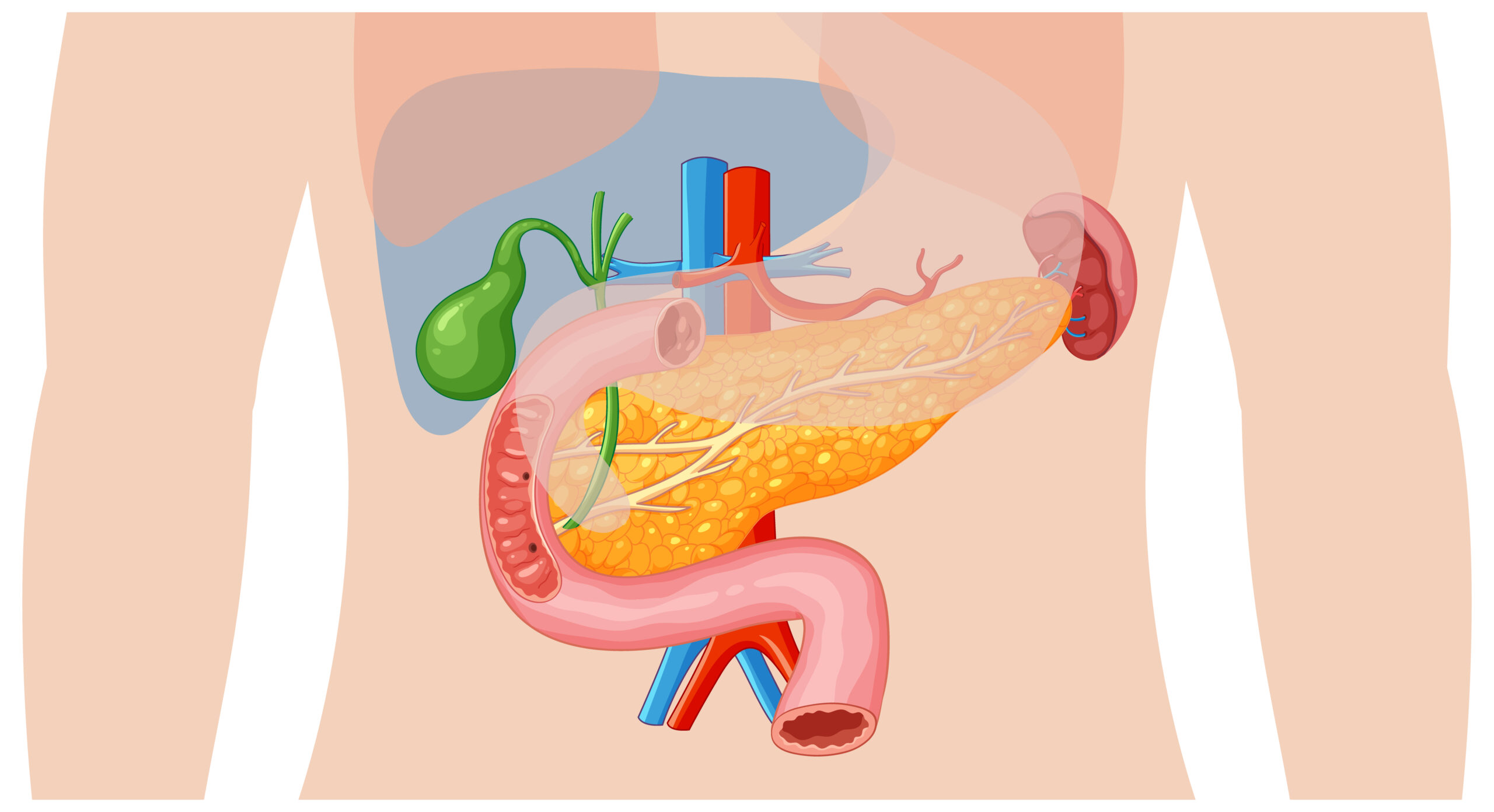
Not true. They can support gut health but won’t treat conditions like ulcers, gallstones, or severe inflammatory bowel disease on their own. - Myth 2: All probiotics are the same.
Different strains serve different purposes. For example, one strain may help with diarrhea, while another may help with bloating. - Myth 3: Supplements are always better than food.
Natural sources like curd, buttermilk, and fermented foods can be just as effective, often with added nutrients. - Myth 4: More probiotics mean better results.
Overuse can lead to bloating, gas, or discomfort. Balance is key.
Probiotics in Everyday Diet
In India, we’re fortunate to have several traditional foods naturally rich in probiotics. Including them in your diet can be simple and delicious:
- Curd (dahi) – A daily staple for many households.
- Buttermilk (chaas, mattha, moru) – A cooling, digestive-friendly drink.
- Idli & dosa batter – Fermented rice and lentil mix that aids digestion.
- Homemade pickles – Naturally fermented, not vinegar-based ones.
- Kanji or rice water – A probiotic-rich fermented drink in some regions.
Pairing probiotics with fiber-rich foods (like fruits, vegetables, and whole grains) gives the good bacteria the “fuel” they need to thrive.
When Probiotics May Not Be Enough
It’s important to remember that while probiotics help maintain gut health, they are not a substitute for medical treatment. Conditions like IBD (Crohn’s disease, ulcerative colitis), peptic ulcers, or chronic gastritis require proper medical evaluation and treatment.
Also, people with weakened immune systems or serious illnesses should consult their doctor before starting probiotic supplements.
Closing Thoughts: Balance Over Hype
Probiotics have an important role to play in maintaining digestive health, but they are not miracle cures. Instead of relying solely on supplements, focus on a balanced diet that includes natural probiotic-rich foods along with plenty of fiber.
The key takeaway? Don’t fall for marketing hype, listen to your body, and seek medical advice if symptoms persist. Probiotics can support your gut health, but true well-being comes from an overall healthy lifestyle and timely medical care.