Image by: Freepik
The Silent Struggle
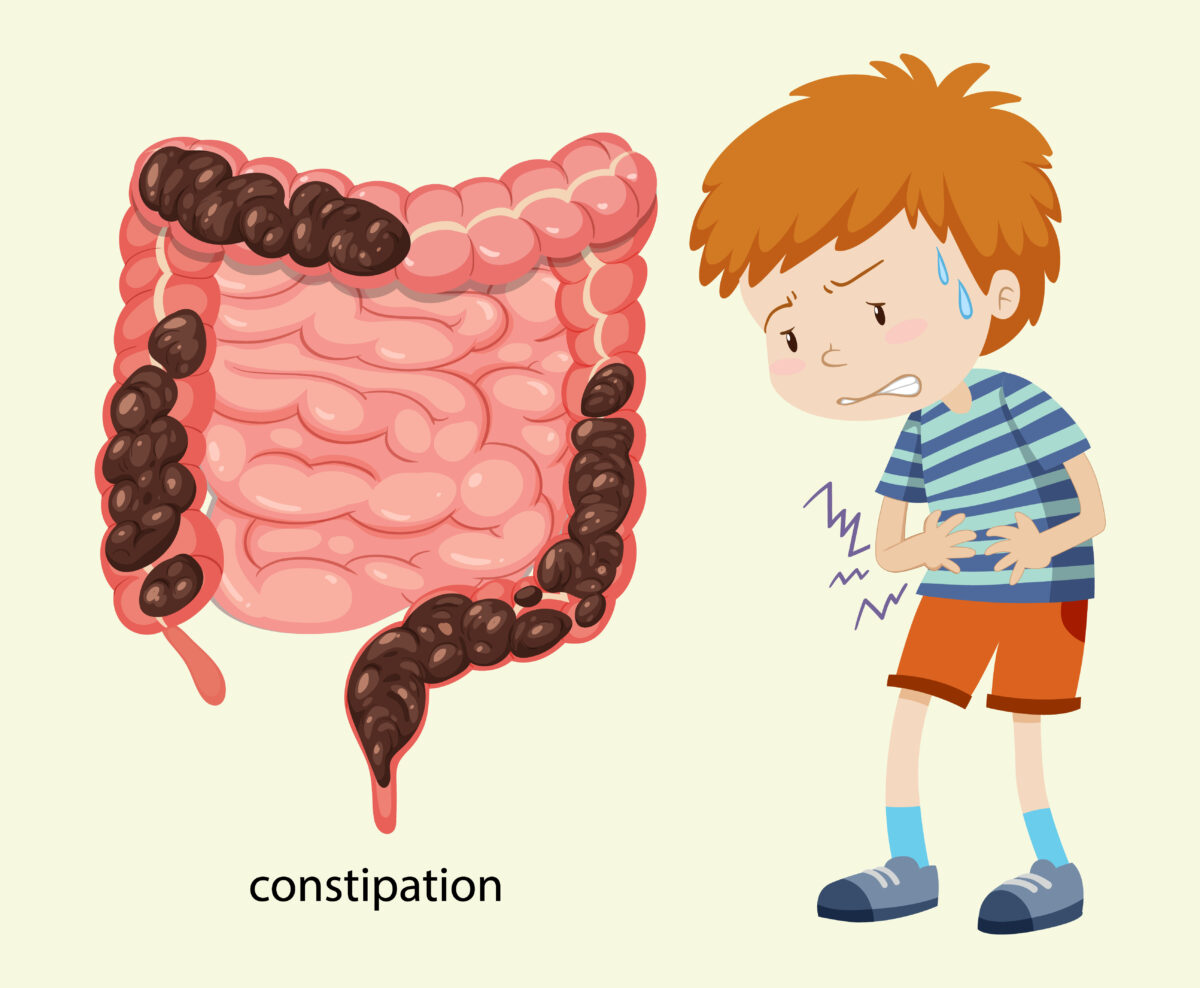
Most of us have experienced constipation at some point, maybe after traveling, skipping meals, or eating too much heavy food. Usually, it passes in a day or two, and life moves on. But what if constipation lingers? What if straining, bloating, or irregular bowel movements become a part of your routine?
Many people shrug it off as “nothing serious.” They try quick fixes like over-the-counter laxatives or herbal teas, and when those don’t work, they simply endure the discomfort. The truth is, chronic constipation is more than just a minor inconvenience; it’s your body’s way of signaling that something needs attention.
What Chronic Constipation Means
Occasional constipation is normal, but when it becomes frequent, it’s classified as chronic constipation. This means:
- Having fewer than three bowel movements a week.
- Passing hard or lumpy stools.
- Straining excessively.
- Feeling like your bowel movements are incomplete, even after going.
If these symptoms last for several weeks or months, it’s no longer “just a bad week,” it’s a condition that requires care.
Why It Happens: Common Triggers
Chronic constipation doesn’t have a single cause. It’s often a combination of lifestyle habits, health conditions, and sometimes even age. Some of the most common triggers include:
- Dietary habits: Eating too little fiber, not drinking enough water, or consuming too much processed food.
- Lifestyle factors: Sedentary living, irregular routines, or ignoring the urge to use the restroom.
- Medical reasons: Conditions like hypothyroidism, diabetes, irritable bowel syndrome (IBS), or neurological disorders.
- Medications: Painkillers, antidepressants, iron supplements, and certain blood pressure drugs can slow down bowel movements.
- Aging: As we grow older, digestion naturally slows down, and muscles that help with bowel movements may weaken.
The Hidden Dangers of Ignoring It
At first, constipation may seem like nothing more than an inconvenience, but ignoring it can lead to complications over time.
- Hemorrhoids and fissures: Constant straining can cause swollen veins and small tears around the rectum, leading to pain and bleeding.
- Rectal prolapse: In severe cases, prolonged straining may cause part of the rectum to push out of the anus.
- Persistent discomfort: Chronic bloating, fullness, and loss of appetite can make daily life stressful.
- Emotional toll: Living with ongoing constipation can cause irritability, stress, and even anxiety about eating or social situations.
It’s clear that constipation isn’t “just digestive trouble”; it impacts your physical and emotional health.
When to Take It Seriously
Not every episode of constipation is alarming, but there are certain red flags that you should never ignore:
- Blood in your stool.
- Severe abdominal pain or bloating.
- Unexplained weight loss.
- Constipation lasting several weeks despite lifestyle changes.
- A sudden change in bowel habits, especially if you’re over 50.
These signs may indicate something more serious, such as an obstruction or even colon disease, and should always be discussed with a doctor.
Taking Control: What You Can Do
The good news? In many cases, chronic constipation can be managed with a few consistent changes:
- Eat more fiber: Include whole grains, fruits, vegetables, and pulses in your meals.
- Stay hydrated: Drinking enough water is just as important as eating fiber.
- Move your body: Regular exercise stimulates healthy digestion.
- Listen to your body: Don’t ignore the natural urge to pass stool.
- Don’t overuse laxatives: They may give temporary relief, but can worsen constipation over time.
- Manage stress and sleep: A healthy lifestyle overall keeps your gut happier.
The Role of a Specialist
Sometimes, lifestyle changes aren’t enough, especially when constipation is linked to an underlying medical condition. That’s where consulting a gastroenterologist makes all the difference.
A specialist like Dr. PK Sethy can:
- Assess your symptoms thoroughly.
- Identify root causes with advanced diagnostic tools.
- Provide tailored treatment, whether dietary guidance, medication, or further medical procedures.
With expert help, chronic constipation can be managed effectively, improving both gut health and overall well-being.
Closing: Listen to Your Gut
Your body has its language, and constipation is one of the ways it speaks to you. While occasional trouble is normal, persistent constipation isn’t something you should learn to live with.
Don’t normalize it. Don’t ignore it.
Take it as a sign that your gut needs care, and the sooner you address it, the better your long-term health will be.