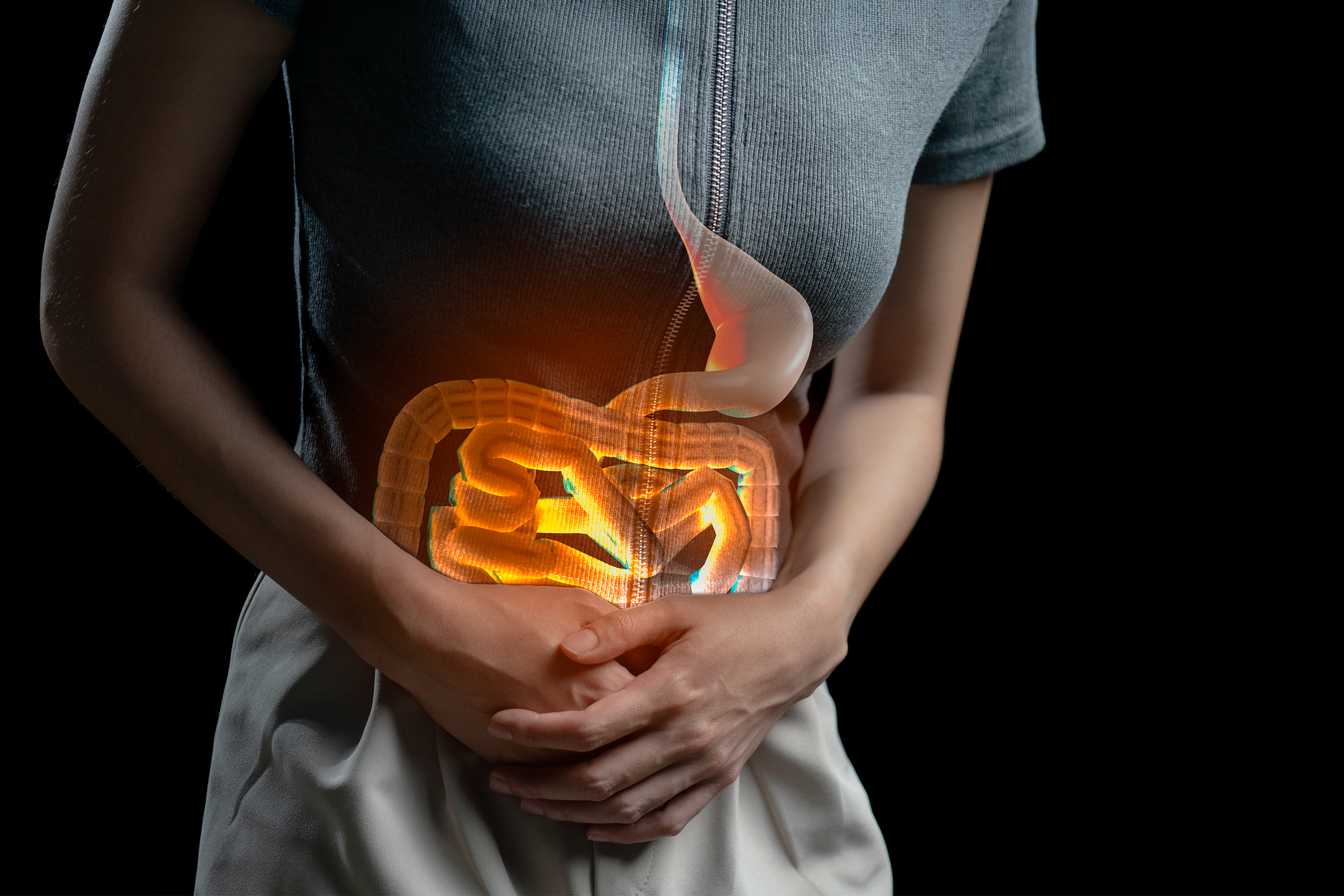
When Routine Digestive Symptoms May Indicate Something More: Understanding Persistent Bloating
Bloating is something many people experience from time to time. You may feel unusually full, tight, or swollen around your abdomen, especially after a heavy meal. In most cases, occasional bloating is harmless and settles on its own.
But what if the bloating keeps coming back or never seems to go away?
Persistent bloating should not always be dismissed as “gas.” It can sometimes indicate that your digestive system needs a closer look.
What Causes Bloating?
Bloating can occur when there is excess gas in the digestive tract. Eating too quickly, swallowing air while eating, and consuming fizzy drinks and certain foods can contribute to it.
However, bloating can have several other causes. Constipation is a common one. When stool builds up in the intestine, it can make the abdomen feel full, uncomfortable, and distended.
Some people may experience bloating because of food intolerances, such as difficulty digesting lactose in milk. Conditions such as irritable bowel syndrome (IBS) and other digestive disorders can also cause recurring bloating and abdominal discomfort.
When Should You Pay Attention?
Occasional bloating after a large meal is usually not a cause for concern. However, it is worth discussing with a doctor if your bloating:
- Happens frequently or continues for several weeks
- Is becoming progressively worse
- Is accompanied by unexplained weight loss
- Occurs with persistent or severe abdominal pain
- Is associated with repeated vomiting
- Comes with a significant change in bowel habits
- Is accompanied by blood in the stool or black stools
- Makes you feel full after eating only a small amount
These symptoms do not necessarily mean that something serious is wrong. However, they should not be ignored, particularly when they are persistent or occur together.
What Can You Do?
Start by paying attention to patterns. Note when the bloating occurs, what you have eaten, your bowel habits, and whether you experience any other symptoms.
Eating slowly, staying physically active, drinking enough water, and addressing constipation can help reduce bloating in many people. However, repeatedly relying on over-the-counter medicines without understanding the cause may only provide temporary relief.
When to Seek Expert Advice
Persistent bloating should not be ignored or managed only with repeated self-medication. If your symptoms are frequent, worsening, or affecting your daily life, consulting a gastroenterologist can help identify the underlying cause and guide appropriate treatment.
Dr. P.K. Sethy provides comprehensive evaluation and management of digestive and gastrointestinal conditions, helping patients understand their symptoms and receive appropriate care.
Bloating is common, but persistent bloating is worth understanding. Listening to your digestive symptoms and seeking timely medical advice can help ensure that the underlying cause is identified and appropriately managed.