The Gut-Brain Connection: How Stress and Emotional Health Can Affect Digestion
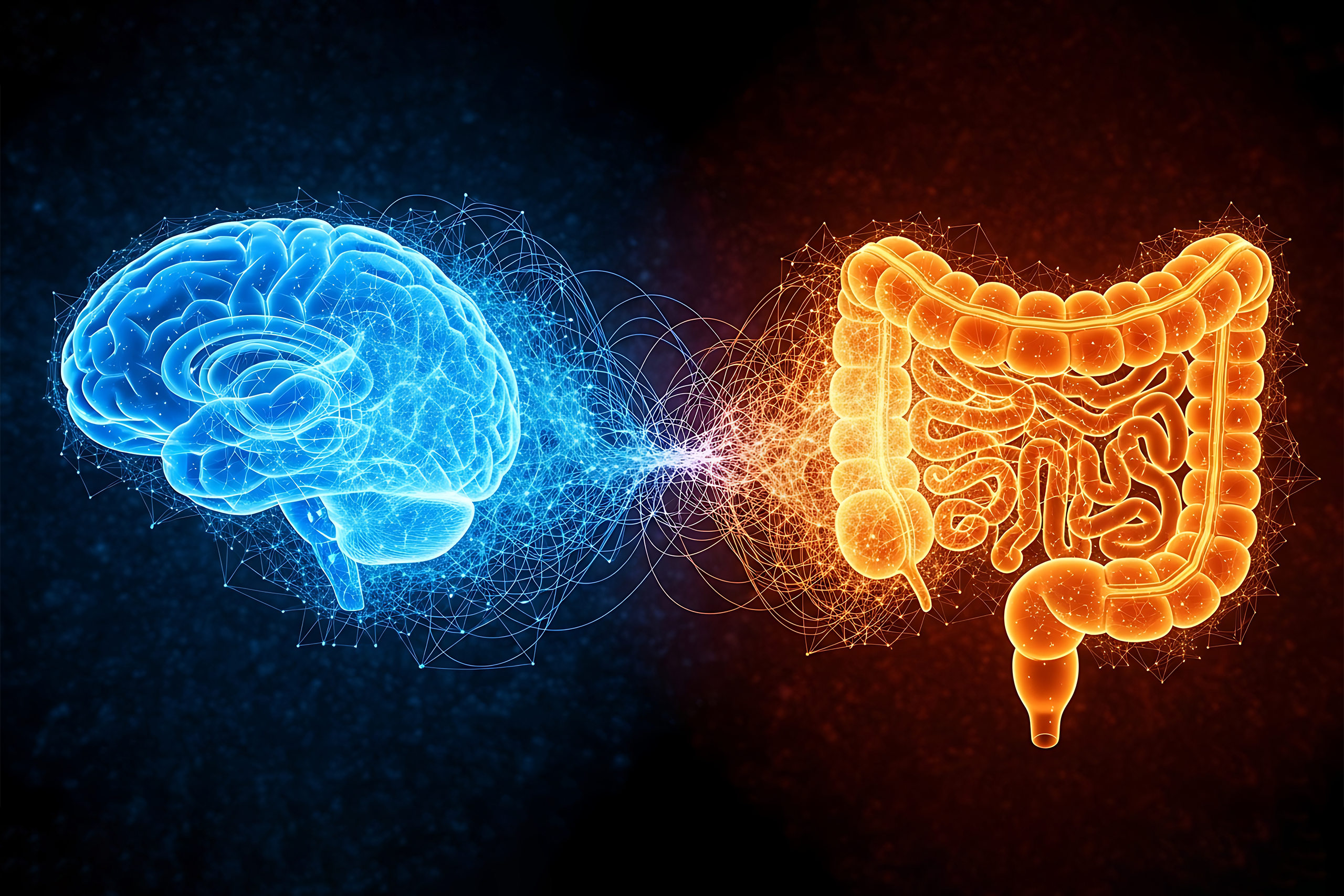
Have you ever experienced stomach discomfort before an important meeting or noticed changes in digestion during a stressful period? These experiences highlight the close relationship between the brain and digestive system, known as the gut-brain connection.
The brain and gut constantly communicate, influencing digestion, bowel movements, and abdominal discomfort. Understanding this connection can help you recognise how emotional health affects digestive well-being.
What Is the Gut-Brain Connection?
The gut-brain connection is a two-way communication network linking the brain and digestive system. It involves the nervous system, hormones, and gut microbiota, the microorganisms living in the digestive tract.
The vagus nerve is one of the key pathways involved in this communication, helping regulate digestive functions and transmit signals between the brain and gut.
How Does Stress Affect Digestion?
During stressful situations, the body activates its stress response and releases hormones that can influence digestive functions. As a result, some people may experience:
- Bloating and abdominal discomfort: Stress can affect gut sensitivity and intestinal movement.
- Changes in bowel movements: Stress may contribute to diarrhoea or constipation.
- Acidity and indigestion: Stress can worsen symptoms in people prone to acid reflux or indigestion.
- Increased abdominal pain: The digestive system may become more sensitive to normal intestinal activity.
These symptoms do not always indicate digestive disease. However, persistent problems should not automatically be attributed to stress.
How Does Emotional Health Affect Gut Conditions?
The gut-brain connection plays an important role in disorders of gut-brain interaction, such as Irritable Bowel Syndrome (IBS). People with IBS may experience abdominal pain, bloating, constipation, or diarrhoea.
Stress and anxiety can worsen symptoms in some individuals. Similarly, ongoing digestive discomfort can contribute to emotional distress, creating a cycle that affects overall well-being.
This does not mean the symptoms are imaginary. They are real physical experiences involving complex interactions between the brain and digestive system.
How Can You Support a Healthy Gut-Brain Connection?
Simple lifestyle habits can support digestive and emotional well-being:
- Manage stress: Practise deep breathing, meditation, or relaxation techniques.
- Eat balanced meals: Maintain regular meal times and identify foods that trigger symptoms.
- Stay active: Regular physical activity can support bowel function and help reduce stress.
- Prioritise sleep: Maintain a consistent sleep schedule.
- Seek emotional support: Counselling may help manage stress-related digestive symptoms.
These habits can complement medical care but should not replace professional evaluation when symptoms persist.
When Should You See a Gastroenterologist?
Consult a gastroenterologist if digestive symptoms recur frequently or continue despite lifestyle changes. Persistent abdominal pain, unexplained weight loss, blood in the stool, ongoing changes in bowel habits, or recurrent vomiting require medical assessment. Seek urgent care for severe or sudden symptoms.
Dr. P.K. Sethy provides evaluation and management of digestive health conditions. Consulting a specialist can help identify underlying causes and determine an appropriate treatment plan.
Understanding the gut-brain connection is an important step towards better digestive health. Managing stress can help, but persistent symptoms deserve proper attention. Take care of your emotional well-being, listen to your gut, and seek expert guidance when needed.