Image by: Freepik
When Your Stomach Feels What Your Mind Feels
Have you ever felt “butterflies” in your stomach before an exam, meeting, or stressful event? Or perhaps your stomach churns when you’re anxious, even if you haven’t eaten anything bad.
These aren’t coincidences; they’re the body’s way of showing just how closely your gut and brain are connected. Anxiety doesn’t just live in the mind; it often shows up in the stomach, too.
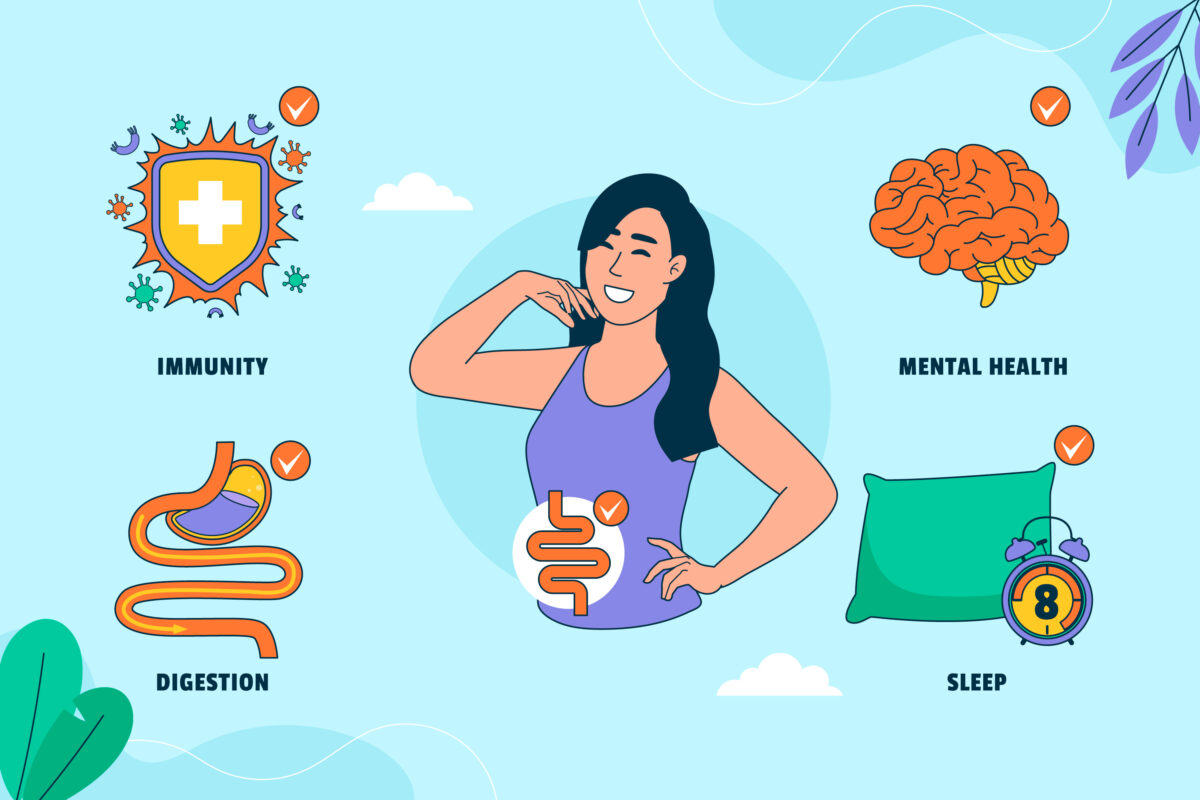
This powerful relationship is called the gut-brain connection, and understanding it can help you manage both your emotional and digestive health more effectively.
The Gut-Brain Axis: How the Two Communicate
The gut and brain constantly “talk” to each other through a complex network known as the gut-brain axis. This connection involves:
- The nervous system, especially the vagus nerve, sends signals between the brain and the digestive system.
- Hormones and neurotransmitters, like serotonin, are made in the gut, almost 90% of which is made in the gut!
- Gut bacteria (microbiome) influence mood, stress response, and inflammation.
When you’re stressed or anxious, your brain sends signals that can slow down digestion, increase stomach acid, or alter gut motility, leading to symptoms like bloating, nausea, or even diarrhea.
How Anxiety Affects the Gut
Anxiety triggers a physical stress response, often referred to as “fight or flight.” While this response is helpful in dangerous situations, chronic anxiety keeps your body in a heightened state for too long, which can lead to:
- Indigestion and Heartburn
- Anxiety increases acid production and muscle tension in the digestive tract, often worsening reflux or burning sensations.
- Bloating and Gas
- Stress hormones can affect the way your gut contracts, leading to irregular digestion and bloating.
- Irritable Bowel Syndrome (IBS)
- IBS is one of the most common gut disorders linked to anxiety. Many people with IBS notice that stress triggers or worsens their symptoms.
- Loss of Appetite or Overeating
- Anxiety can suppress appetite or drive emotional eating, both of which disrupt normal digestion.
- Altered Gut Bacteria
- Chronic stress can change the balance of good and bad bacteria in your gut, leading to inflammation and discomfort.
When Gut Issues Trigger Anxiety
The connection goes both ways. Just as anxiety affects your gut, gut imbalances can influence your mood.
When the gut microbiome is disturbed, due to poor diet, infections, or antibiotics, it can affect the production of serotonin and other mood-regulating chemicals. This imbalance can increase feelings of anxiety or depression.
That’s why doctors often call the gut the “second brain.” Taking care of your digestive health can, quite literally, help calm your mind.
Breaking the Cycle: Managing Anxiety and Gut Health Together
You can’t separate mental and digestive well-being; both must be cared for together. Here are some effective ways to nurture both:
1. Eat a Balanced, Gut-Friendly Diet
- Include fiber-rich foods, fruits, and vegetables to nourish gut bacteria.
- Add probiotics (yogurt, buttermilk, fermented foods) to restore gut balance.
- Limit caffeine, processed foods, and excessive sugar, which can worsen anxiety and gut irritation.
2. Practice Stress-Relief Techniques
- Deep breathing, yoga, and meditation can calm both your nervous system and your digestion.
- Even a short daily walk helps reduce stress and improve gut motility.
3. Maintain Regular Sleep Patterns
- Poor sleep disrupts hormone balance, mood regulation, and digestion.
- Aim for 7–8 hours of quality sleep each night.
4. Stay Hydrated
- Water supports healthy digestion and helps regulate bowel movements, especially during stressful periods.
5. Seek Professional Help When Needed
- If anxiety is affecting your quality of life or causing chronic gut issues, speak with your doctor.
- A gastroenterologist can rule out underlying digestive conditions and coordinate care with a mental health professional if needed.
When to See a Gastroenterologist
Persistent digestive issues, such as bloating, stomach pain, diarrhea, or constipation, that worsen with stress shouldn’t be ignored. These could indicate a functional disorder like IBS or other underlying conditions.
A consultation with a gastroenterologist like Dr. PK Sethy can help identify the cause and provide a treatment plan that addresses both the gut and the mind.
Final Thoughts: A Healthy Gut, A Calmer Mind
Your gut and brain are in constant conversation; when one is upset, the other feels it too. Managing anxiety and caring for your digestive health isn’t just about treating symptoms; it’s about restoring balance to the entire system.
By eating well, managing stress, and seeking timely medical help, you can nurture both your gut and your mental well-being.
Remember: when you take care of your gut, your mind often follows.