Image by: Freepik
When we think about staying healthy, we often focus on exercise, diet, or sleep. But there’s another critical player in the background, the gut microbiome. This vast ecosystem of microorganisms in our digestive system influences not just digestion but our immune health, mental well-being, and even disease prevention. Let’s explore why your gut microbiome truly is the foundation of your overall health.
What is the Gut Microbiome?
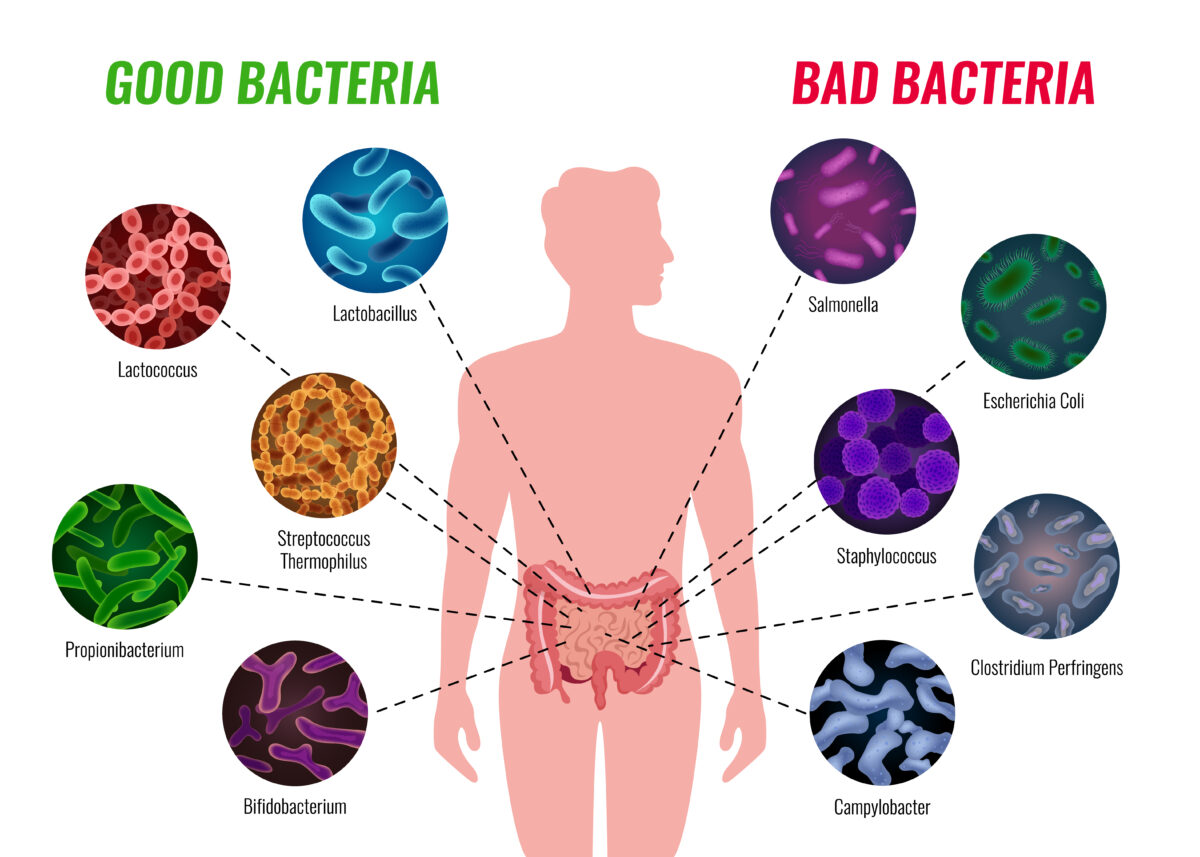
The gut microbiome is a collection of trillions of bacteria, viruses, fungi, and other tiny organisms that reside primarily in your intestines. While some of these microorganisms are harmful, most are incredibly beneficial and essential for maintaining health. This microscopic community is crucial in digesting food, fighting pathogens, and regulating our bodies in ways we’re only beginning to understand fully.
Functions of the Gut Microbiome
Digestive Support:
Friendly bacteria help break down complex carbohydrates, fibers, and proteins, making nutrients more accessible to our bodies.
Immune System Regulation:
About 70% of the body’s immune system is housed in the gut. A healthy microbiome helps train the immune system to differentiate between harmful invaders and the body’s tissues.
Vitamin Production:
Gut microbes produce essential vitamins, such as Vitamin K and some B vitamins, which are critical for blood clotting, energy production, and brain function.
Defense Against Pathogens:
A balanced microbiome acts as a shield, preventing harmful bacteria and viruses from colonizing and causing infections.
The Gut-Health Connection to Overall Wellness
Mental Health:
The gut and brain communicate via the gut-brain axis. Gut bacteria produce neurotransmitters like serotonin, influencing mood and mental health. An imbalance is linked to conditions like anxiety and depression.
Metabolism and Weight Management:
Research shows that gut microbiota composition can influence how efficiently we burn calories, store fat, and manage blood sugar levels.
Heart Health:
Certain gut bacteria help manage cholesterol levels and regulate inflammation, both critical factors for heart disease prevention.
Chronic Disease Risk:
An unhealthy gut microbiome is associated with increased risk of diabetes, autoimmune diseases, and even some cancers.
Factors That Affect Gut Microbiome Balance
Diet:
High-fiber, plant-based diets promote a healthy gut, while processed foods and excessive sugar can harm microbial diversity.
Antibiotics:
While life-saving, antibiotics can wipe out beneficial gut bacteria along with harmful ones, leading to imbalances.
Stress and Sleep:
Chronic stress and poor sleep patterns negatively impact gut bacteria and gut barrier function.
Lifestyle Choices:
Smoking, heavy alcohol consumption, and lack of exercise all contribute to an unhealthy gut environment.
Signs of an Unhealthy Gut
- Persistent digestive issues like bloating, gas, or diarrhea.
- New food intolerances or sensitivities.
- Constant fatigue or low energy.
- Skin problems such as eczema or acne.
- Frequent mood swings, anxiety, or depression.
Recognizing these signs early allows you to take action before they impact your overall health.
How to Support and Improve Your Gut Microbiome
Eat a Diverse, Fiber-Rich Diet:
Foods like fruits, vegetables, legumes, and whole grains feed beneficial gut bacteria.
Incorporate Probiotics and Prebiotics:
- Probiotic-rich foods: Yogurt, kefir, pickles, and traditional Indian fermented foods like dosa batter and idli.
- Prebiotic foods: Garlic, onions, bananas, and asparagus.
Reduce Processed Foods and Sugar:
Limit intake of refined carbohydrates and sugary snacks.
Manage Stress:
Mindfulness practices, yoga, and therapy can help keep the gut-brain axis balanced.
Exercise Regularly:
Physical activity supports healthy digestion and encourages a diverse gut microbiome.
When to Seek Medical Advice
If you experience ongoing digestive symptoms, sudden changes in your gut health, or signs of a possible gut disorder, it’s important to consult a gastroenterologist. Early intervention can prevent complications and improve your long-term wellness.
Your gut microbiome is not just a background player — it’s a driving force behind your digestive, immune, and mental health. By nurturing your gut with healthy habits, you invest in your overall vitality and disease prevention.
If you have concerns about your gut health, Dr. PK Sethy is here to provide expert diagnosis, guidance, and care tailored to your needs.