Image by: Freepik
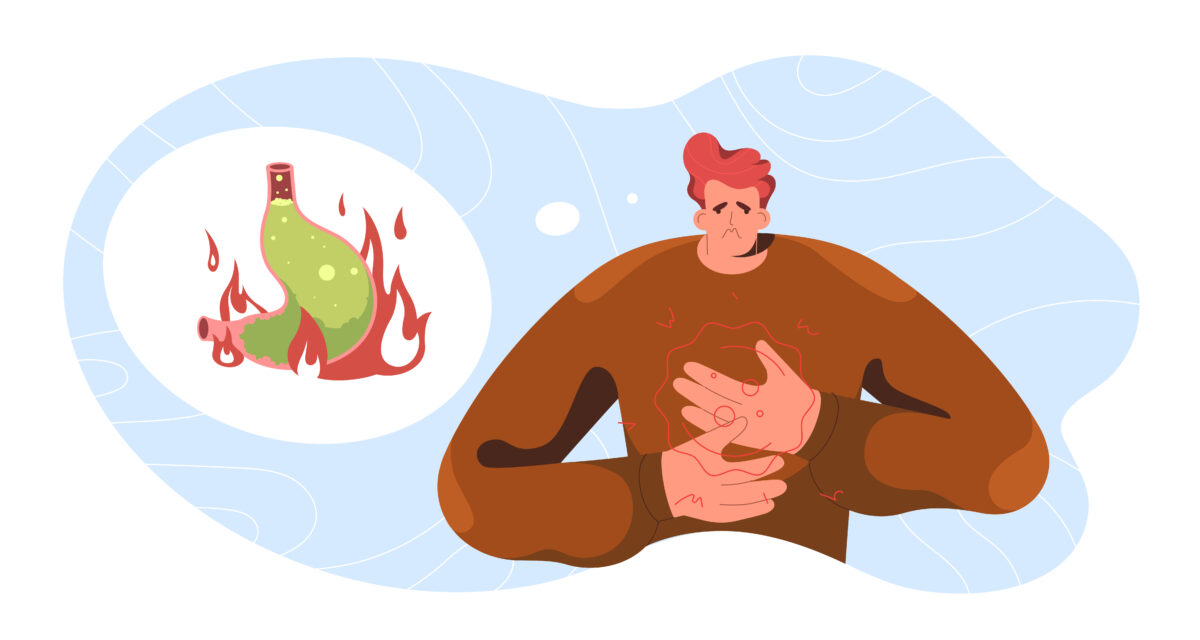
Peptic ulcers are a common digestive issue that affects millions of people worldwide. These painful sores develop in the lining of the stomach or the upper part of the small intestine and can cause significant discomfort if left untreated. Many people assume that spicy foods and stress are the primary culprits, but the reality is quite different. In this blog, we’ll explore what causes peptic ulcers, their symptoms, their diagnosis, and the best treatment options available.
Understanding Peptic Ulcers
A peptic ulcer is a sore that forms on the stomach’s inner lining or the small intestine’s upper portion. These ulcers occur when the protective mucus lining of the stomach is weakened, allowing stomach acid to damage the underlying tissues. There are two main types of peptic ulcers:
- Gastric ulcers: These develop in the stomach lining.
- Duodenal ulcers: These occur in the first part of the small intestine (duodenum).
Peptic ulcers can vary in severity, with some causing mild discomfort and others leading to serious complications if untreated.
What Causes Peptic Ulcers?
Despite common myths, peptic ulcers are not primarily caused by spicy foods or stress. Instead, the main causes include:
1. Helicobacter pylori (H. pylori) Infection
One of the most common causes of peptic ulcers is an infection with Helicobacter pylori (H. pylori). This bacteria disrupts the protective mucous lining of the stomach, making it more vulnerable to acid damage. H. pylori infections are usually acquired during childhood and can persist for years without noticeable symptoms.
2. Long-Term Use of NSAIDs
Nonsteroidal anti-inflammatory drugs (NSAIDs) such as aspirin, ibuprofen, and naproxen can irritate the stomach lining and increase acid production, leading to ulcers. Frequent use or high doses of these medications put individuals at higher risk.
3. Excess Stomach Acid Production
Certain conditions, like Zollinger-Ellison syndrome, can cause excessive acid production in the stomach, increasing the likelihood of ulcer formation. Although rare, this condition can lead to severe, recurring ulcers.
4. Lifestyle Factors
While lifestyle habits may not directly cause ulcers, they can worsen existing ones. Factors such as:
- Smoking: Smoking delays ulcer healing and increases the risk of recurrence.
- Excessive alcohol consumption: Irritates the stomach lining and increases acid production.
- Poor diet: A lack of essential nutrients can weaken the stomach’s defenses.
Symptoms of Peptic Ulcers
Peptic ulcers can manifest with various symptoms, some mild and others severe. Common signs include:
- Burning stomach pain, especially between meals or at night
- Bloating or feeling full quickly
- Nausea or vomiting
- Loss of appetite and unintentional weight loss
- Dark or tarry stools (a sign of bleeding ulcers)
- Vomiting blood (in severe cases)
If you experience persistent or severe symptoms, it’s important to seek medical attention immediately.
How Are Peptic Ulcers Diagnosed?
Doctors diagnose peptic ulcers using the following methods:
- Endoscopy: A small, flexible tube with a camera (endoscope) is inserted into the stomach to examine the lining and check for ulcers.
- H. pylori testing: This can be done via a breath test, stool test, or blood test to detect bacterial infection.
- Imaging Tests: X-rays or CT scans with contrast dye may be used to detect ulcers and complications.
Treatment Options for Peptic Ulcers
The treatment for peptic ulcers depends on their cause. The most common approaches include:
1. Medications
- Antibiotics: If H. pylori infection is present, a combination of antibiotics is prescribed to eliminate the bacteria.
- Proton Pump Inhibitors (PPIs): Reduce stomach acid production, allowing ulcers to heal.
- H2-Receptor Blockers: These also help lower acid production.
- Antacids: Provide quick symptom relief by neutralizing stomach acid.
- Cytoprotective Agents: Help protect the stomach lining from acid damage.
2. Lifestyle and Dietary Changes
- Avoiding NSAIDs: If necessary, switch to alternative pain relievers like acetaminophen.
- Limiting alcohol and smoking: Reduces irritation and promotes healing.
- Eating a balanced diet: Foods rich in fiber, probiotics, and vitamins can help maintain a healthy digestive system.
- Managing stress: While stress doesn’t directly cause ulcers, it can worsen symptoms. Relaxation techniques like meditation and yoga can help.
3. Surgery (in Severe Cases)
If ulcers don’t heal with medication or complications arise (such as perforation or severe bleeding), surgery may be required. However, this is rare due to the effectiveness of modern treatments.
Preventing Peptic Ulcers
Prevention is always better than a cure. To reduce your risk of developing peptic ulcers:
- Wash hands frequently and eat well-cooked food to prevent H. pylori infection.
- Avoid excessive NSAID use and consult your doctor for alternative medications.
- Maintain a healthy lifestyle with a balanced diet and proper hydration.
When to See a Doctor
If you experience persistent stomach pain, vomiting blood, or black stools, consult a doctor immediately. Early diagnosis and treatment can prevent serious complications.
Conclusion
Peptic ulcers are a treatable condition, but understanding their causes and symptoms is crucial for effective management. Whether caused by H. pylori, NSAIDs, or other factors, timely treatment with medications and lifestyle changes can help heal ulcers and prevent recurrence. If you suspect you have a peptic ulcer, consult a gastroenterologist for proper diagnosis and treatment.
For expert guidance and personalized care, visit Dr. PK Sethy’s clinic or schedule a consultation today!