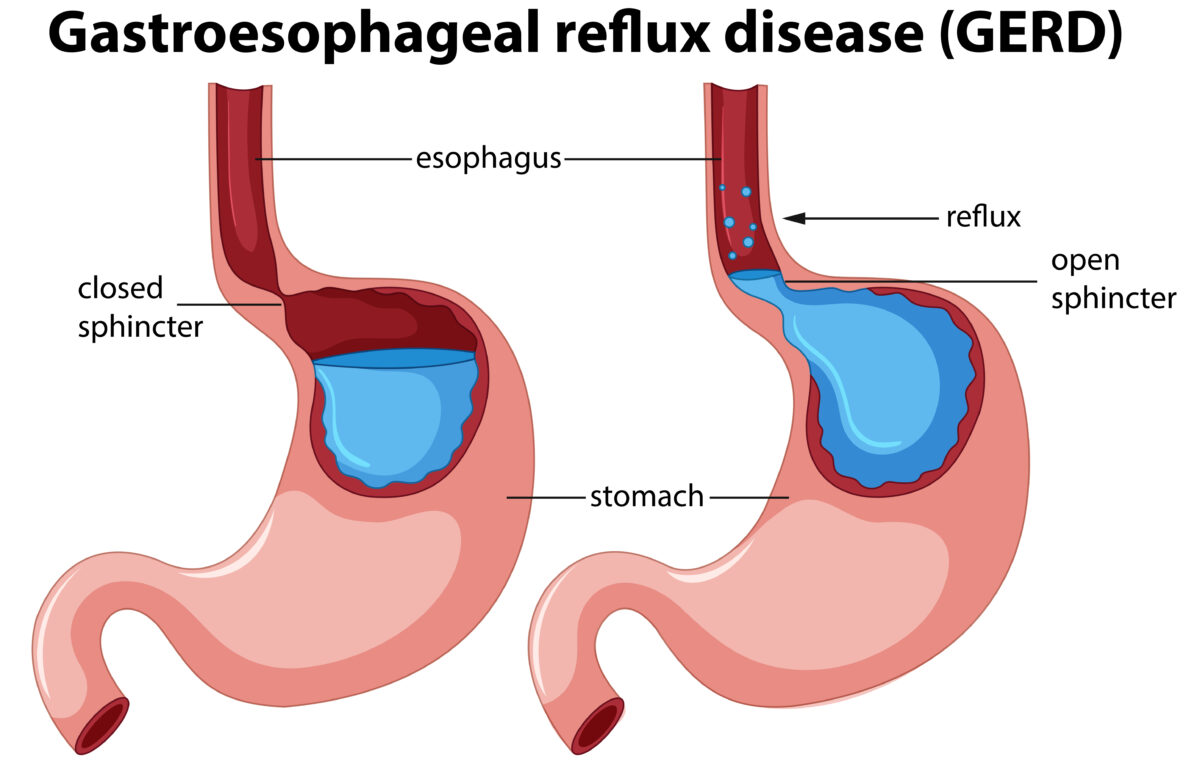
Gastroesophageal reflux disease (GERD), also known as acid reflux, is a common condition that affects millions of people worldwide. It occurs when stomach acid or other digestive fluids flow back into the esophagus, causing a burning sensation in the chest or throat. Managing the symptoms of GERD can help improve your quality of life and prevent complications.
Lifestyle changes: Making certain lifestyle changes can help manage the symptoms of GERD.
Maintaining a healthy weight: Being overweight or obese can put pressure on the lower esophageal sphincter (LES), making it more likely to open and allow stomach acid to flow back into the esophagus. Losing weight can help reduce pressure on the LES and alleviate symptoms of GERD.
Eating a healthy diet: Avoiding certain foods and drinks that can trigger acid reflux, such as spicy or fatty foods, chocolate, caffeine, and alcohol, can help reduce symptoms.
Avoiding late meals: Eating late in the evening can make it harder for the LES to close properly and allow stomach acid to flow back into the esophagus.
Wearing loose clothing: Wearing tight clothing can put pressure on the stomach and make it more likely for acid to flow back into the esophagus.
Medications: Medications can be used to reduce the amount of acid produced by the stomach and prevent acid reflux.
Antacids: Antacids neutralize stomach acid and provide quick relief from symptoms of acid reflux.
H2 blockers: H2 blockers reduce the amount of acid produced by the stomach and provide longer-lasting relief than antacids.
Proton pump inhibitors (PPIs): PPIs are the most powerful medications for reducing acid production and preventing acid reflux. They are usually prescribed for long-term use.
Surgery: In severe cases of GERD, surgery may be recommended to repair or strengthen the LES. The most common surgery is called Nissen fundoplication which is done to reinforce the LES and prevent acid reflux.
It is important to work with your healthcare provider to develop a treatment plan that’s right for you. Lifestyle changes and medications can help reduce symptoms of acid reflux and improve your quality of life. In case of severe symptoms or complications, surgery may be recommended. Remember, self-treatment for acid reflux is not recommended.
In conclusion, acid reflux, also known as GERD, is a common condition that can be managed through lifestyle changes and medications. Avoiding certain foods and drinks, eating a healthy diet, losing weight, avoiding late meals, wearing loose clothing, taking antacids, H2 blockers, proton pump inhibitors (PPIs) and in severe cases surgery can help in managing the symptoms. Consult with your healthcare provider to develop a treatment plan that’s right for you.